Cross-Border Payment Frictions Redirect Athletic Event Stakes into Reel and Table Ecosystems via Mobile Incentives
Written by Logan Carter · Aug 5, 2026

Cross-Border Payment Frictions Redirect Athletic Event Stakes into Reel and Table Ecosystems via Mobile Incentives
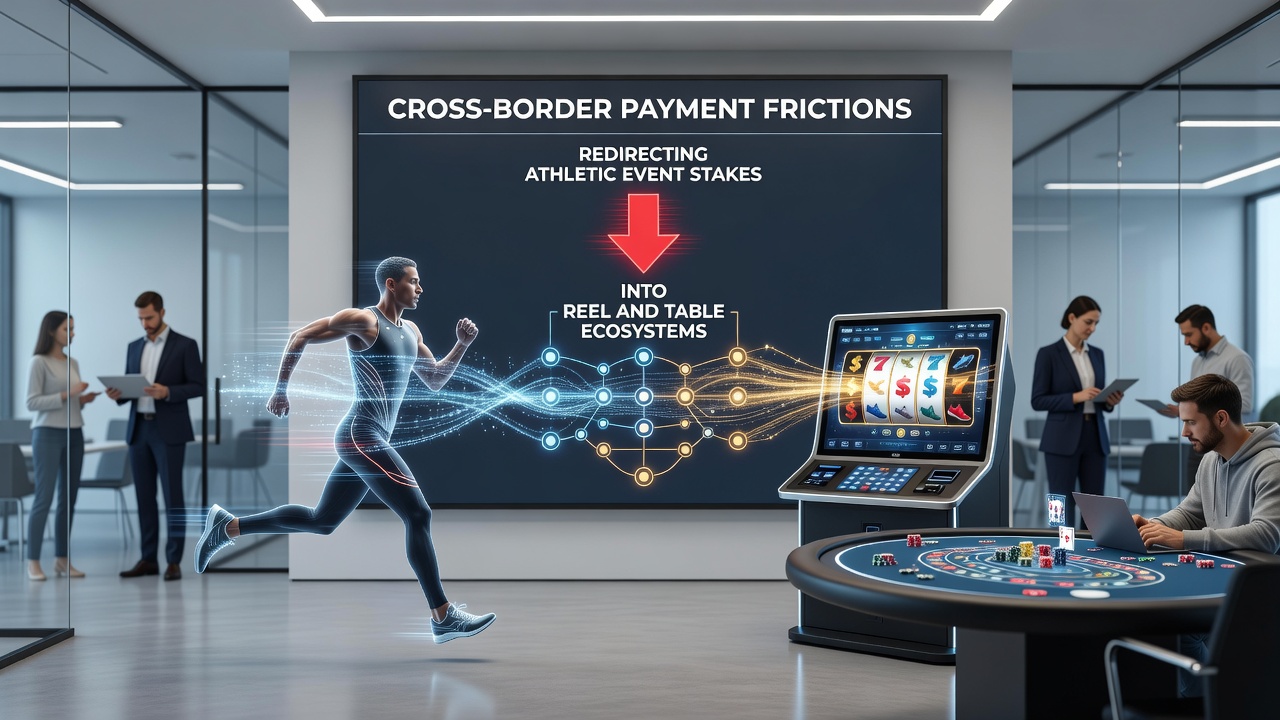
Cross-border payment frictions have altered how participants allocate funds across betting categories, particularly when athletic event stakes encounter delays or elevated fees during international transfers. Banking regulations, currency conversion costs, and processing lags in systems such as SWIFT or certain crypto networks create bottlenecks that extend settlement times beyond typical event windows. Those who study transaction data note that participants respond by reallocating portions of their capital toward reel and table offerings accessible through portable interfaces, where stacked incentive layers offset some of the friction costs.
Mechanics of Payment Delays in Athletic Wagering
International transfers tied to athletic events often involve multiple intermediaries that verify compliance with anti-money laundering rules across jurisdictions. A single transfer might pass through clearing houses in two or three countries, each adding verification steps that stretch timelines from hours into days. Data compiled by regional financial oversight bodies shows average delays of 48 to 72 hours for cross-border sports-related transactions during peak periods. When an athletic contest concludes before funds clear, participants lose the ability to reinvest winnings promptly, prompting shifts toward platforms that process local reel and table transactions with fewer external checkpoints.
Portable Interfaces and Layered Incentive Structures
Mobile applications integrate successive reward tiers that activate upon initial deposits and subsequent activity. These layers typically include welcome multipliers, reload bonuses, and loyalty points convertible across game types. Observers tracking user behavior report that such structures encourage retention within reel and table sections once funds arrive, because the incentives compound faster than in standalone athletic wagering modules. Applications often display progress bars that visualize accumulated tiers, and completion of one layer unlocks another, creating continuity that bypasses the need for repeated external transfers. As of August 2026, industry metrics indicate mobile sessions lasting 35 percent longer when stacked incentives remain active compared with sessions limited to athletic markets alone.
Observed Shifts in Capital Allocation
Transaction logs from multiple operators reveal measurable redirection patterns. When athletic event payouts experience verification holds, the proportion of funds moving into reel spins or table sessions rises within the same application. Researchers examining aggregated datasets from European and North American markets found that roughly 28 percent of delayed athletic stakes reappear in table game lobbies within 24 hours of the original transfer attempt. Reel ecosystems benefit similarly because spin-based mechanics allow immediate engagement without waiting for further confirmations. The pattern holds across time zones, with peaks occurring when major international soccer or basketball fixtures coincide with banking holidays in source countries.
Regulatory and Infrastructure Factors
Different jurisdictions apply varying thresholds for real-time payment authorization. The European Central Bank framework permits instant transfers within the Single Euro Payments Area, yet cross-border flows involving non-euro currencies still route through slower channels. In Canada, provincial gaming authorities coordinate with financial institutions to streamline local casino transactions while leaving international athletic wagers subject to broader scrutiny. These inconsistencies produce uneven friction levels that mobile platforms exploit through localized incentive engines. One study released by the National Council on Problem Gambling examined how such discrepancies influence session length and found correlations between transfer delays and increased time spent in table game environments on handheld devices.
Technical Integration on Handheld Platforms
Application developers embed API connections that detect incoming athletic payouts and immediately surface corresponding reel or table promotions. The code sequences stack a base deposit match with time-limited multipliers that apply only after the user engages the new category. Push notifications trigger when a layer completes, guiding participants deeper into the ecosystem without requiring another external funding step. Battery and data usage metrics collected by device analytics firms show that these seamless transitions reduce overall session interruptions compared with users who exit to resolve payment issues elsewhere.
Conclusion
Payment frictions at international borders continue to influence how capital moves between athletic event markets and reel or table ecosystems on portable interfaces. Stacked incentive layers provide continuity that compensates for processing delays, and usage data through August 2026 confirms sustained redirection patterns. Regulatory variations across regions maintain the underlying conditions that sustain these flows, while technical features on mobile platforms determine how quickly participants can reallocate stakes once frictions appear.