Cross-Border Regulatory Harmonization Effects on Digital Sports and Casino Entertainment Accessibility
Written by Xander Foster · Aug 16, 2026
Cross-Border Regulatory Harmonization Effects on Digital Sports and Casino Entertainment Accessibility
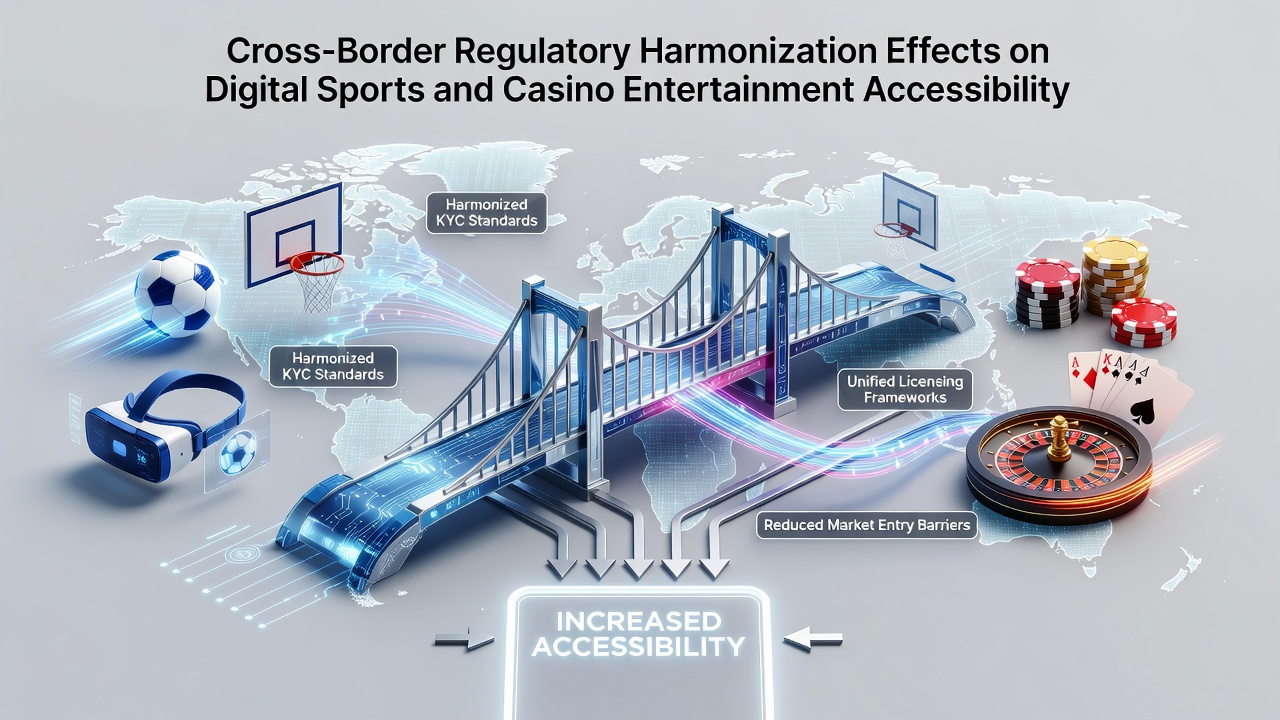
Cross-border regulatory harmonization has reshaped how digital sports betting and casino platforms operate across multiple jurisdictions since the early 2020s, and data from international trade bodies indicates that aligned standards reduce barriers for operators while expanding user access in participating regions. Researchers tracking these developments point to frameworks that synchronize licensing, consumer protection, and payment processing rules, which allow platforms to serve audiences in neighboring countries without separate approvals for each market.
Understanding the Mechanisms of Harmonization
Multiple countries have pursued agreements that standardize age verification, anti-money laundering checks, and responsible gambling tools, and this coordination means operators face consistent compliance costs rather than duplicating efforts for every border. Studies from economic research centers show that such alignment correlates with higher platform availability in regions where rules previously clashed, because companies can deploy unified technical systems for geofencing and transaction monitoring. In August 2026, ongoing negotiations between North American and European authorities highlighted further steps toward mutual recognition of audit certifications, which observers note could streamline entry for new entrants into digital sports and casino sectors.
Accessibility Gains in Harmonized Markets
Evidence from regulatory filings reveals that users in harmonized zones encounter fewer restrictions when accessing international sports betting markets or casino games, since operators gain authorization to offer services across aligned territories without additional local registrations. Figures released by industry associations demonstrate increased participation from mobile users in areas covered by these pacts, as payment processors accept cross-border transactions more readily under unified standards. Those who monitor digital entertainment trends report that platforms expand language support and localized content once regulatory friction decreases, which broadens reach for participants who previously encountered blocked access due to mismatched rules.
Regional Examples and Data Trends
European initiatives under the digital single market framework have produced measurable shifts in how operators deliver sports wagering and casino experiences across member states, according to European Commission reports. Data indicates operators consolidated services into fewer but more robust platforms that comply with shared directives on data privacy and fair play. Canadian provincial regulators have explored similar alignments with U.S. state frameworks, where joint working groups established common benchmarks for virtual event betting and table games, leading to documented rises in cross-province account activations during 2025 and into 2026.
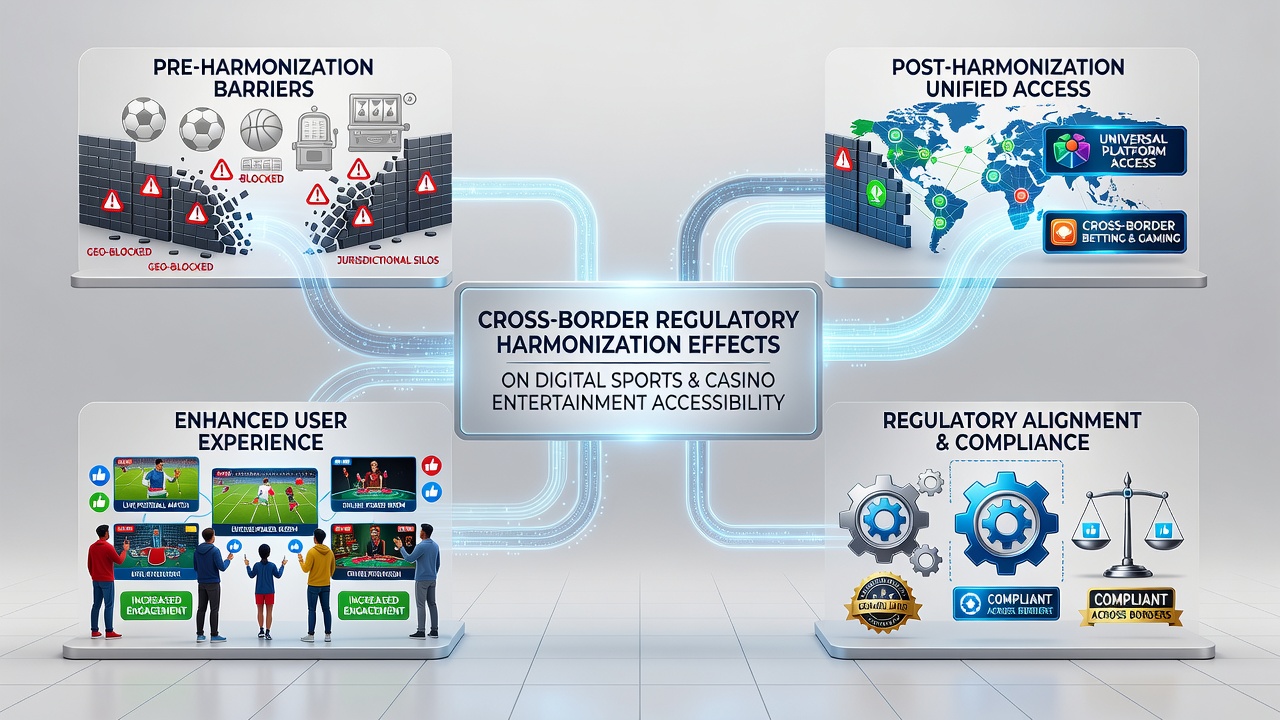
Asia-Pacific economies including Australia and Singapore have advanced bilateral talks that focus on shared oversight of digital gambling operators, and government statistics from those regions show expanded market entry for compliant platforms serving users across borders. Research papers from academic institutions track how these changes affect player mobility, noting that individuals in harmonized areas switch between sports event wagers and casino sessions on the same application more frequently because identity verification processes carry over between jurisdictions.
Challenges and Remaining Variations
Despite progress, complete uniformity remains elusive because some jurisdictions retain unique taxation structures or game-type restrictions, and analysts from trade organizations observe that these differences still limit full accessibility for certain casino offerings. Reports compiled in mid-2026 highlight cases where operators delay launches in partially aligned markets until payment rails achieve full interoperability. Yet the overall trajectory shows gradual expansion of services, as more countries adopt core elements from existing pacts on consumer safeguards and operator accountability.
Impacts on Operators and Users
Operators benefit from reduced legal overhead when rules harmonize, which allows reinvestment into platform features such as real-time sports data feeds and live dealer integrations, according to filings reviewed by financial analysts. Users experience smoother onboarding processes because documentation requirements converge, and studies of transaction volumes confirm higher activity levels once cross-border payment friction declines. Those tracking the sector note that smaller markets gain indirect benefits when larger neighboring economies set the compliance baseline, enabling local users to access a wider selection of digital sports and casino products through established international providers.
Conclusion
Cross-border regulatory harmonization continues to influence accessibility patterns in digital sports and casino entertainment by lowering entry thresholds for compliant operators and standardizing user protections. Data from multiple regions demonstrates expanded platform availability and participation where alignments occur, while persistent differences in taxation and game categories create ongoing boundaries. As discussions advance into late 2026, the effects on cross-jurisdictional access remain tied to the pace of agreement implementation across diverse regulatory environments.