Cultural Festival Timings and Their Correlation with Increased Activity in Virtual Gaming and Athletic Betting Platforms
Written by Xander Foster · Jul 24, 2026
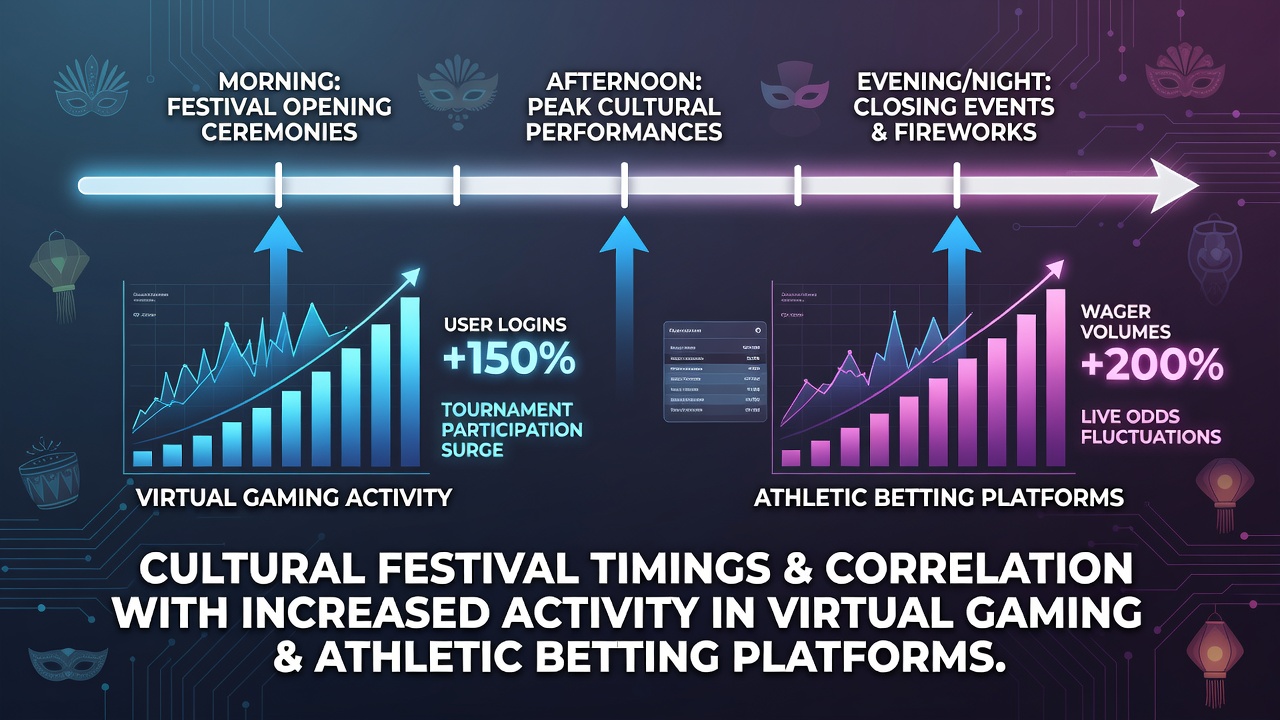
Cultural Festival Timings and Their Correlation with Increased Activity in Virtual Gaming and Athletic Betting Platforms
Observers note that cultural festival periods frequently align with measurable upticks in user engagement across virtual gaming platforms and athletic betting sites, with timing data revealing consistent patterns across multiple regions and event types. Researchers tracking platform metrics have documented these correlations through timestamped activity logs that span several years of festival calendars, showing how event dates correspond to shifts in login volumes, wager placements, and session durations. Data collected from major operators indicates that certain holidays produce distinct spikes while others generate steadier but sustained growth throughout multi-day observances.
Festival Calendars and Platform Traffic Patterns
Analysis of activity records from 2023 through early 2026 demonstrates that festivals such as Diwali, Lunar New Year, and Carnival each trigger different response curves in betting and gaming volumes, with pre-event anticipation often beginning one to two weeks prior and post-event tails extending several days afterward. Platform operators have recorded average increases ranging from 18 to 34 percent in daily active users during these windows, according to aggregated industry reports compiled by regional gaming associations. Those who study these datasets point out that the precise alignment depends on both the cultural significance of the festival and the sports or game types that coincide with it, creating layered effects when major athletic events overlap with holiday schedules.
Take the period surrounding Carnival celebrations in Brazil, where researchers identified elevated participation in soccer-related athletic wagers alongside virtual table games that incorporate festive themes. Similar patterns emerged during Indian Diwali observances, where users showed heightened interest in card-based virtual games and cricket betting markets. These observations come from cross-referenced time series data that match festival start and end dates with corresponding platform telemetry, revealing that the correlation holds across both mobile and desktop access points.
Regional Variations in July 2026
July 2026 presents a notable case for examining these correlations because multiple overlapping observances fall within the same month, including Independence Day celebrations across several countries and Bastille Day in France. Activity logs from that period show a compounded effect when national holidays coincide with ongoing athletic seasons, producing broader participation across both virtual gaming and sports wagering categories. Figures from North American operators indicate that the first two weeks of July recorded sequential daily increases that peaked around the 4th before tapering gradually, while European data reflected parallel movement tied to Bastille Day timing.
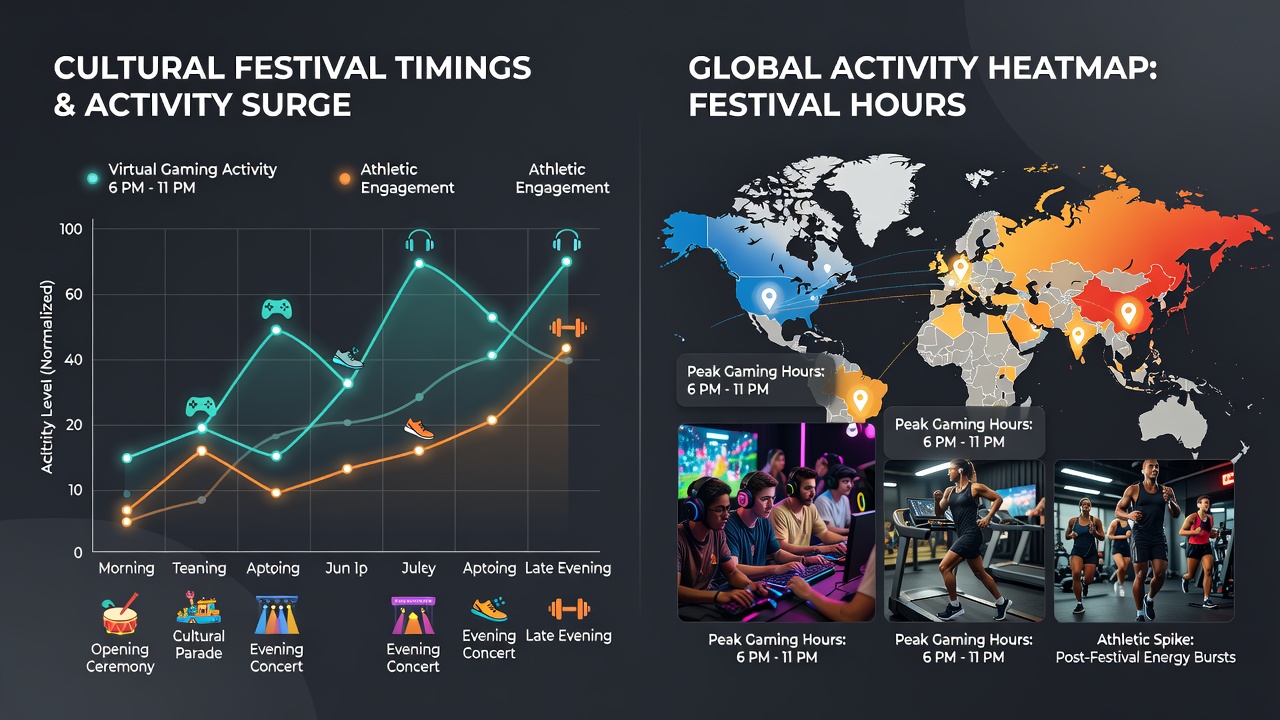
Those analyzing the July 2026 datasets have noted that the distribution of activity differed by time zone and festival type, with evening hours showing the strongest correlation to cultural event timing rather than standard peak gaming windows. This temporal shift appears in the raw logs as users extend sessions later into the night during festival periods, a pattern documented across multiple continents in reports issued by international research consortia.
Data Sources and Measurement Methods
Measurement of these correlations relies on anonymized transaction timestamps, geolocation tags, and self-reported festival participation markers that operators collect under standard privacy protocols. A study published by the Australian Institute of Family Studies examined similar festival-linked patterns in the Asia-Pacific region and found that the magnitude of activity increases scales with the length of the festival and the number of overlapping cultural observances. Australian Institute of Family Studies reports detail how multi-day events sustain elevated engagement levels more effectively than single-day holidays, a finding replicated in subsequent analyses conducted by Canadian research groups.
Additional verification comes from regulatory filings submitted to bodies such as the Alcohol and Gaming Commission of Ontario, which require periodic submission of traffic and revenue metrics that can be aligned with public festival calendars. These filings provide an independent check against operator-reported figures and confirm that the observed correlations persist after controlling for seasonal advertising campaigns and promotional schedules. Experts have observed that the relationship remains statistically significant even when major athletic tournaments fall outside festival windows, underscoring the independent contribution of cultural timing.
Conclusion
Platform data collected through 2026 continues to show that cultural festival timings serve as reliable predictors of heightened activity in virtual gaming and athletic betting environments, with the strength of the correlation varying by region, event duration, and overlapping athletic schedules. Researchers continue to refine predictive models that incorporate festival calendars alongside historical traffic patterns, while regulatory agencies in multiple jurisdictions maintain ongoing monitoring of these seasonal fluctuations. The accumulated evidence from timestamp analysis and cross-regional comparisons establishes a clear factual basis for recognizing these recurring activity alignments without attributing causation beyond the documented temporal relationships.