Data Streams Connecting Athletic Wagers With Virtual Dealer Sessions Through Layered Reward Mechanisms
Written by Noah Schmitt · Jun 5, 2026

Data Streams Connecting Athletic Wagers With Virtual Dealer Sessions Through Layered Reward Mechanisms
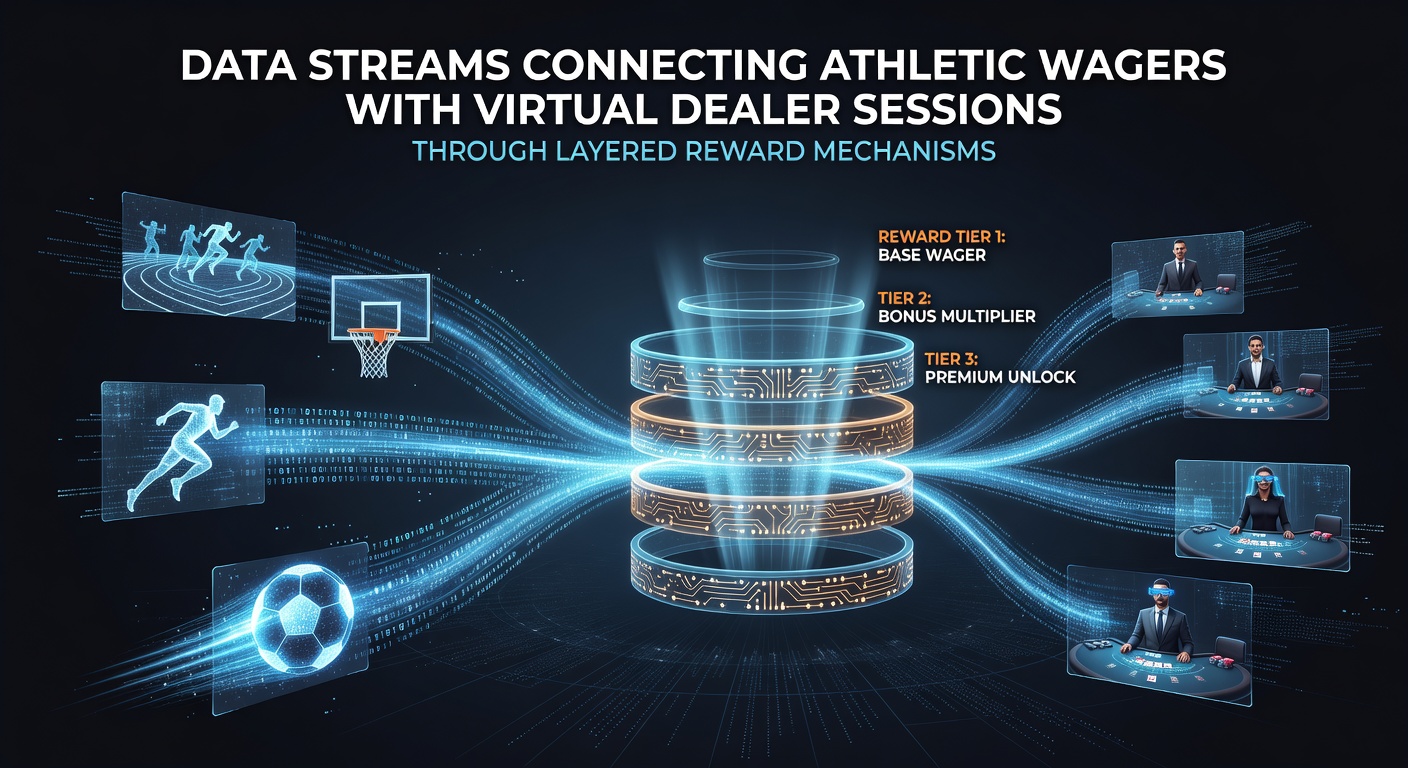
Operators track athletic wagers through real-time data streams that feed directly into loyalty programs, and these same streams adjust player profiles to unlock access to virtual dealer sessions. The connections rely on application programming interfaces that pull betting volume, win rates, and session duration from sportsbooks before routing that information to casino servers, where algorithms assign tier points across both verticals.
Layered reward mechanisms operate through progressive thresholds that combine activity from athletic events with table game participation, so a user who places consistent wagers on major leagues can accelerate eligibility for higher live dealer limits without separate casino deposits. Data pipelines update these thresholds every few minutes during peak hours, allowing seamless progression from one product to the other.
Technical Integration of Sports and Live Dealer Data
Platforms maintain centralized customer databases that merge transaction logs from sports betting engines with session records from live dealer software, creating unified profiles that reward systems reference when calculating bonuses. Researchers at institutions such as the University of Nevada, Las Vegas have documented how these merged datasets enable operators to apply dynamic multipliers that increase based on cross-product engagement, rather than isolated activity in either channel.
Real-time application programming interfaces push athletic wager outcomes into casino loyalty engines within seconds of bet settlement, and this speed supports instant crediting of promotional credits usable at virtual dealer tables. Observers note that the architecture typically involves secure data lakes where anonymized player identifiers link across domains while complying with regional privacy rules.
Layered Reward Structures in Practice
Reward layers begin with base points earned from wager volume on athletic contests, then escalate through multipliers when those points convert into live dealer table time or tournament entries. A second layer activates once cumulative cross-vertical activity reaches defined milestones, granting access to exclusive dealer sessions or reduced house edges that apply only during connected play periods. Third layers incorporate time-based elements, where sustained participation across both products during specific calendar windows unlocks additional tiers.
Figures from industry reports released in June 2026 indicate that platforms deploying these layered systems recorded measurable increases in player retention metrics compared with single-product loyalty setups. The data streams also allow operators to segment users according to combined risk profiles, adjusting reward velocity to maintain balanced engagement across sports and casino offerings.
Regulatory and Operational Context in Mid-2026
Regulatory bodies including the Australian Communications and Media Authority have issued guidance on data handling practices for integrated gambling platforms, emphasizing transparent disclosure of how athletic wager information influences casino rewards. In parallel, the European Gaming and Betting Association published compliance frameworks that address cross-product data flows while requiring operators to maintain separate audit trails for each vertical.
Operators implement these streams through partnerships with specialized software providers that certify data security protocols, and testing occurs regularly to verify that reward calculations remain accurate when sports outcomes feed into dealer session bonuses. Those who've examined platform architectures report that fallback systems prevent reward disruptions during temporary data latency events.
Player Transition Patterns and Data Utilization
Analytics teams monitor how athletic wager patterns correlate with subsequent virtual dealer activity, identifying sequences where users shift from sportsbooks to live tables after completing certain reward thresholds. These patterns inform adjustments to the layered mechanisms, such as timing bonus releases to coincide with popular sports events that drive higher overall platform traffic. Data visualizations produced by analytics firms illustrate clear pathways where combined participation sustains longer overall sessions than isolated use of either product.
Payment processors integrate with the same data streams to reconcile promotional credits across verticals, ensuring that funds originating from sports wins flow correctly when applied to dealer session stakes. This reconciliation occurs through automated reconciliation engines that flag discrepancies for manual review within defined timeframes.
Conclusion
Data streams that link athletic wagers to virtual dealer sessions through layered rewards continue to evolve as operators refine integration points and regulatory expectations clarify in multiple jurisdictions. The systems rely on continuous information exchange between products to maintain unified player experiences, supported by technical standards that prioritize accuracy and compliance. Observers continue to track adoption rates and performance indicators as these mechanisms become standard features on multi-product platforms.