Decoding Seasonal Payout Cycles Linking Wheel Games and Event Wagers Through Tiered Mobile Incentives
Written by Logan Carter · Jul 8, 2026
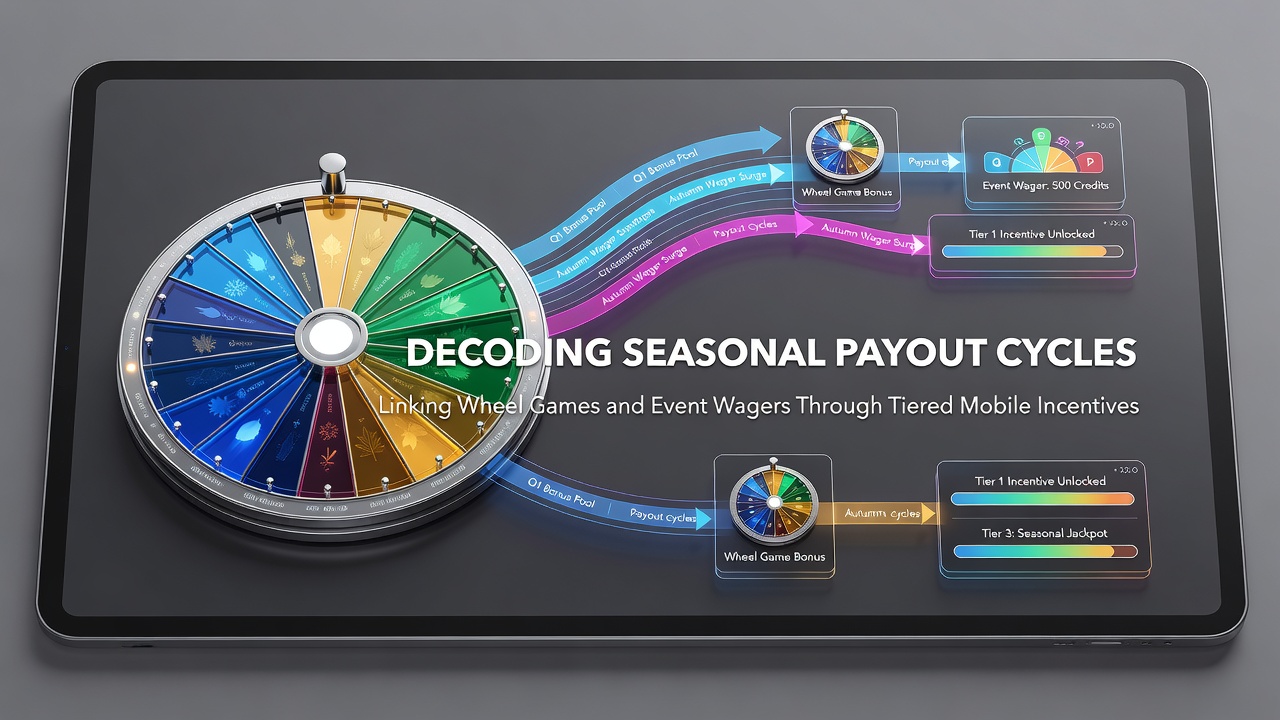
Decoding Seasonal Payout Cycles Linking Wheel Games and Event Wagers Through Tiered Mobile Incentives
Seasonal payout cycles in digital gambling platforms follow predictable patterns that connect wheel-based games such as roulette and slots with event-driven wagers on sports and competitions, and these cycles gain momentum through structured mobile incentive programs that escalate rewards across player tiers. Operators track these patterns using aggregated transaction data which reveals peaks during summer months and holiday periods when participation in both categories rises simultaneously. In July 2026 industry reports noted sustained activity across North American and European markets where mobile sessions linked wheel spins directly to live event betting through progressive loyalty structures.
Understanding Seasonal Patterns in Payout Data
Transaction records collected by platform operators demonstrate that payout volumes in wheel games increase by measurable margins during specific quarters while event wagers show correlated spikes tied to major tournaments and leagues. Researchers at several analytics firms have mapped these overlaps by examining timestamped bet logs which indicate that players who engage with wheel mechanics during off-peak hours often transition to event markets when seasonal incentives activate. The connection appears in the way tiered mobile programs award bonus credits that carry over between game types without requiring separate deposits or account resets.
Data from multiple jurisdictions shows that July periods consistently register elevated activity in both categories because summer events such as international soccer competitions and baseball seasons coincide with promotional calendars designed to retain users on handheld devices. These programs layer rewards so that progress in one segment accelerates eligibility in the other and creates measurable continuity in payout frequency across the two formats.
Mobile Tier Structures as Connectors
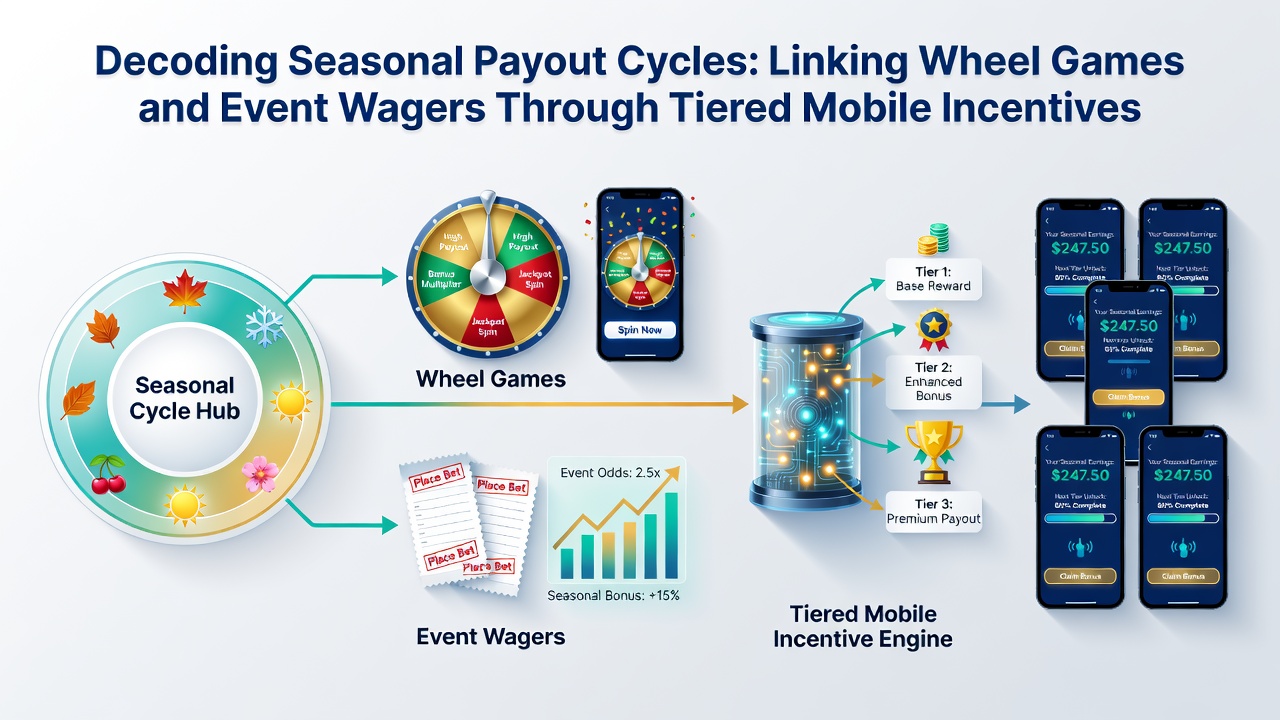
Tiered incentive systems on mobile applications function as bridges by granting escalating benefits that apply equally to wheel outcomes and event results. Players advance through levels based on cumulative handle rather than isolated game performance and this design encourages movement between categories during seasonal windows. Observers note that the structure reduces friction because the same loyalty points unlock free spins on wheels and enhanced odds on event lines without additional verification steps.
Platform logs indicate that once users reach mid-tier status the probability of cross-category engagement rises sharply, and operators attribute this shift to the unified reward mechanics that treat wheel payouts and event settlements as equivalent contributors to tier maintenance. In practice the system records each completed cycle and automatically adjusts future incentives to match the user's established patterns.
Integration Mechanisms Between Game Types
Wheel games and event wagers connect through shared promotional ledgers that update in real time on mobile interfaces, allowing a single deposit to fund both activities while accumulating tier credits simultaneously. The architecture relies on centralized player accounts that sync across game servers so seasonal payout multipliers apply uniformly regardless of which format generates the initial activity. Analysts examining these systems report that integration reduces user drop-off because the incentive flow remains uninterrupted when individuals switch between wheel sessions and live event markets.
Regulatory filings from the Nevada Gaming Control Board and similar bodies in other regions confirm that operators must maintain transparent records of these cross-format transfers to comply with payout verification standards. The records further show that seasonal adjustments to multiplier rates occur at fixed intervals and align with major calendar events to maintain consistent engagement levels.
Regional Variations and Data Sources
Participation metrics collected across different markets reveal that payout cycle timing shifts slightly by region yet follows the same underlying principle of tier-driven linkage. Australian regulatory summaries published through the Australian Communications and Media Authority document comparable patterns where mobile incentives synchronize wheel and event activity during their respective summer periods. European data compiled by the European Gaming and Betting Association similarly tracks how tier progression correlates with seasonal event calendars and wheel game volume.
Studies conducted by academic research groups have examined user flow between these segments and found that mobile notifications timed to seasonal payout windows increase the rate at which players sample both formats within a single session. The findings rest on anonymized behavioral datasets that highlight the effectiveness of unified incentive structures without isolating one game type from the other.
Conclusion
Seasonal payout cycles maintain their connection between wheel games and event wagers precisely because tiered mobile incentives operate on unified ledgers that treat both categories as interchangeable contributors to player status. The patterns observed through transaction analysis and regulatory reporting demonstrate consistent linkage across markets and time periods, and operators continue to refine these systems using the same data streams that first identified the correlations. Continued examination of these cycles provides operators and regulators with measurable indicators of how incentive design shapes cross-format activity throughout the calendar year.