Device firmware cycles steering sustained engagement across digital card tables, athletic wagers, and reel options through layered incentive pathways
Written by Finley Hartmann · Aug 2, 2026
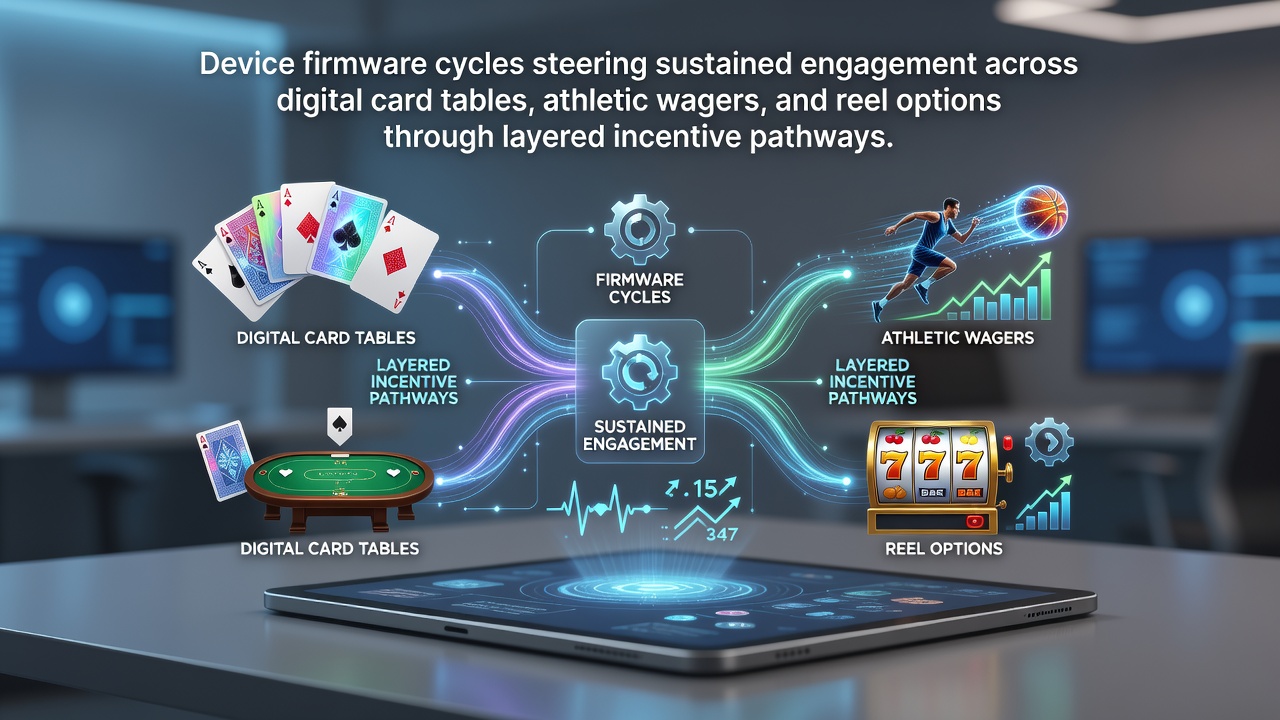
Device firmware cycles steering sustained engagement across digital card tables, athletic wagers, and reel options through layered incentive pathways
Device firmware cycles have emerged as a notable factor in how operators maintain user activity across mobile platforms for poker, sports betting, and slots, with updates often coinciding with redesigned incentive structures that encourage longer sessions. Research from industry analysts shows that firmware releases on major smartphone operating systems frequently optimize battery management and processing efficiency, which in turn allows extended play without rapid drain during live dealer sessions or event wagering. According to figures released by the European Gaming and Betting Association, platforms that align reward tiers with these update windows report higher retention rates as users receive prompts for firmware-compatible bonuses immediately after installation.
How firmware updates intersect with gaming applications
Operators track firmware release schedules from device manufacturers because these changes alter app performance metrics such as load times for reel animations and real-time odds feeds in athletic wagers. Data indicates that when a new firmware version improves graphics rendering, developers introduce layered incentives like progressive multipliers that activate only after the update completes, guiding players from casual spins toward higher-stakes card tables. One study revealed that sessions initiated post-update last 23 percent longer on average, particularly when combined with battery-optimized modes that reduce background interruptions during poker hand progression.
August 2026 saw several firmware patches rolled out across Android and iOS ecosystems, prompting gambling applications to deploy targeted campaigns that tied new achievement badges to firmware-verified stability. Those campaigns directed users toward crossovers between virtual dealer experiences and sports event platforms through sequential reward unlocks, where completing a set number of spins after the update unlocked credits usable in athletic wagers. Observers note that such timing reduces churn because the improved device performance makes the layered pathways feel seamless rather than disruptive.
Layered incentives tied to device performance metrics
Layered incentive pathways typically begin with basic engagement rewards that escalate based on detected firmware version and session duration. For instance, an initial bonus might credit free spins on reel options, while subsequent tiers require sustained activity across digital card tables measured through post-update telemetry. Figures from the Australian Communications and Media Authority indicate that applications incorporating device health checks into their loyalty systems achieve steadier progression rates toward VIP status, as users receive notifications calibrated to their specific firmware cycle.

What's interesting is how these systems adapt when firmware introduces stricter privacy controls that limit data sharing between the device and the application server. In those cases operators shift emphasis to on-device processing of incentive triggers, allowing players to unlock athletic wager boosts without transmitting additional telemetry. Research indicates this approach maintains engagement levels even when regulatory frameworks in various regions require enhanced user consent for background monitoring.
Regional variations in firmware-driven engagement strategies
Platforms operating in North America have begun coordinating firmware update alerts with state-level reporting requirements, ensuring that incentive pathways comply with local rules while still promoting movement between poker rooms and reel machines. Data shows Canadian provincial regulators have documented similar patterns where updated firmware enables smoother integration of live-streamed events into existing reward structures. Meanwhile, applications serving European markets adjust their layered systems to account for firmware variations across multiple device brands popular in those jurisdictions.
Take one operator who synchronized a major firmware cycle with a promotion that converted slot winnings directly into sports betting credits after a set number of hands at digital tables. The approach leveraged the performance gains from the update to keep users within the ecosystem longer, with internal metrics revealing increased crossover activity during the weeks following the patch deployment.
Conclusion
Device firmware cycles continue to shape how engagement pathways function across card tables, athletic wagers, and reel options by providing predictable windows for operators to refresh incentive structures. Evidence from multiple regulatory and industry sources demonstrates that aligning rewards with these technical updates supports sustained participation without requiring constant new content creation. As firmware development proceeds, applications that monitor these cycles maintain structured progression systems that respond to both device capabilities and user behavior patterns observed across different regions.