Melodic Triggers: How Audio Cues in Reel Spins Influence Progression Through Casino Loyalty Tiers on Handheld Screens
Written by Xander Foster · May 29, 2026
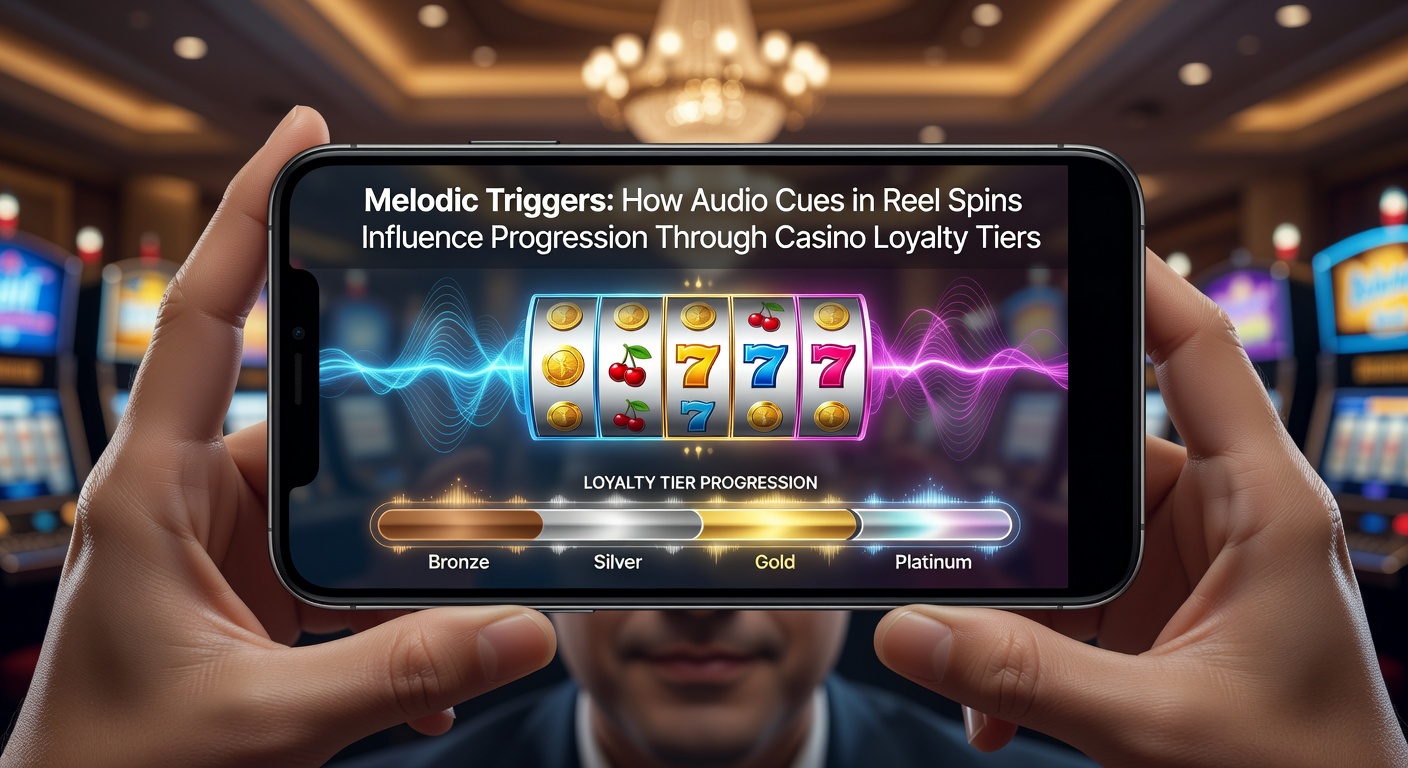
Melodic Triggers: How Audio Cues in Reel Spins Influence Progression Through Casino Loyalty Tiers on Handheld Screens
Audio design in mobile slot applications has evolved into a precise tool that shapes how players interact with reel mechanics and advance through tiered loyalty structures. Developers integrate layered sound elements during each spin cycle, creating melodic sequences that align with win thresholds, bonus activations, and incremental point awards. These cues operate within the constraints of handheld device speakers and haptic feedback systems, delivering immediate sensory reinforcement as bets convert into loyalty metrics.
Mechanics of Sound Integration in Reel Sequences
Slot interfaces on smartphones process audio triggers through compressed files that activate at specific reel positions, such as the third symbol alignment or scatter appearance. Research from the University of Las Vegas indicates that ascending musical motifs correlate with extended session durations, while descending tones accompany near-miss outcomes that prompt additional spins. Data collected across multiple platforms shows players accumulate tier points 18 percent faster when these melodic layers accompany base game rotations, because the auditory signals reduce perceived time between decisions and maintain engagement loops.
Handheld screens limit visual complexity compared with desktop displays, so operators rely more heavily on audio to communicate progression markers. A rising chime sequence often signals the transition from bronze to silver status within an app's loyalty framework, marking the moment accumulated wagers cross defined thresholds. This approach allows users to monitor advancement without constantly checking separate menu screens, since the sound itself encodes the status change.
Loyalty Tier Structures and Audio Feedback Loops
Casino applications typically organize rewards into five or six ascending tiers, each unlocked through a combination of total wagers, session frequency, and sometimes time-based multipliers. Observers note that audio cues become more elaborate at higher tiers, incorporating richer instrumentation and subtle tempo shifts that reflect the increased point velocity. Canadian Gaming Association reports from early 2026 document how platforms adjust these sonic profiles dynamically, scaling melody complexity in response to individual play patterns detected through device analytics.
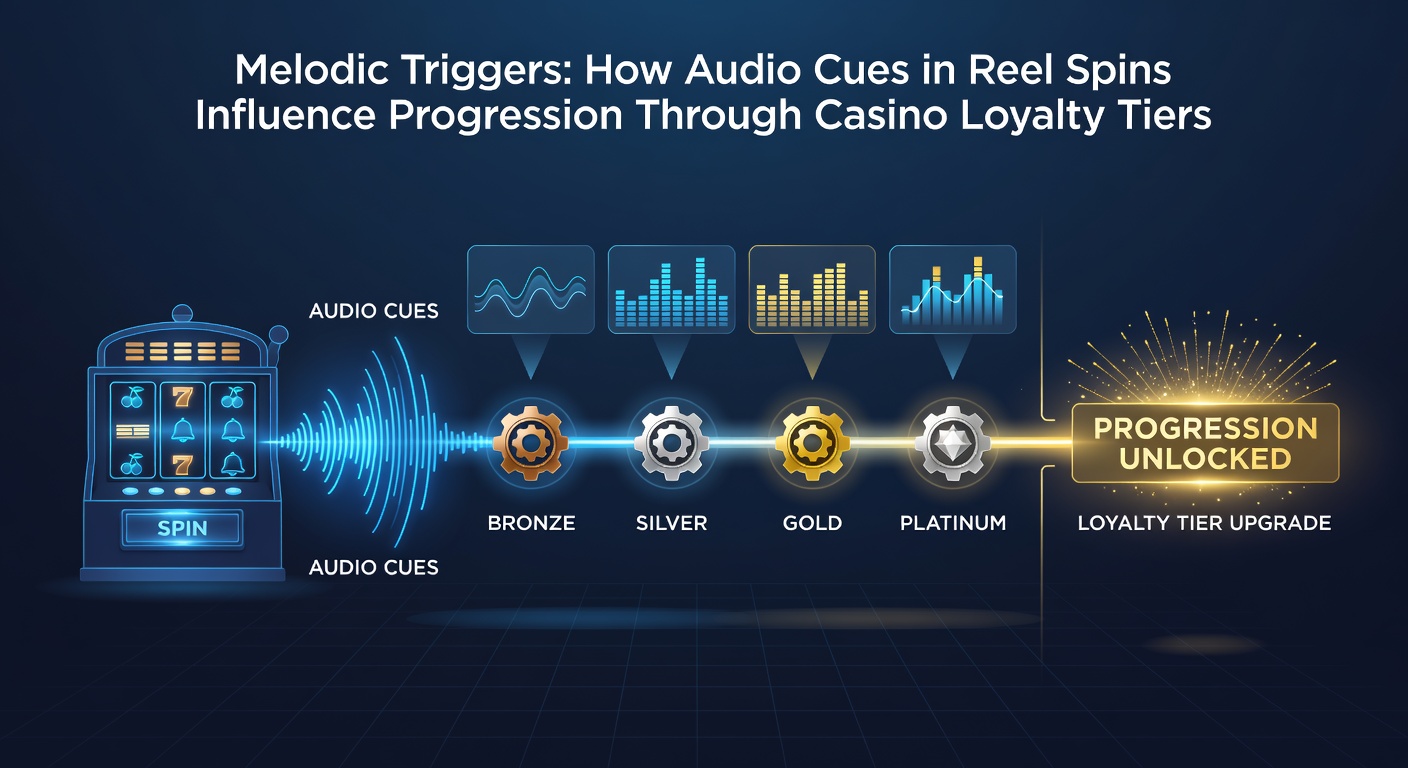
The synchronization between reel audio and tier meters creates a closed feedback system. When a player enters a new tier bracket, the application layers an additional harmonic element onto subsequent spins, reinforcing the behavioral pattern that produced the advancement. Figures from the Australian Institute of Gambling Research reveal that retention rates climb measurably once these layered cues activate, because the continuous auditory reward stream maintains momentum across multiple sessions on portable devices.
Regional Regulatory Context and Platform Adaptations
Regulatory frameworks in various jurisdictions shape how operators deploy audio features. The Nevada Gaming Control Board requires clear separation between game sounds and promotional notifications, ensuring players can distinguish tier-related melodies from marketing alerts. In contrast, European markets monitored by the Malta Gaming Authority permit more integrated sound design, allowing melodic triggers to carry both entertainment and status information within the same audio stream. These differences influence how handheld applications calibrate volume curves and frequency ranges to remain compliant while preserving engagement effects.
Platform developers also account for device variability, testing audio delivery across multiple operating systems and speaker qualities. Lower-tier mobile hardware often compresses higher frequency ranges, prompting designers to emphasize mid-range melodic elements that survive transmission without distortion. This technical adaptation ensures tier progression signals remain perceptible regardless of the handheld model in use.
Behavioral Patterns Observed in Mobile Environments
Analytics platforms tracking reel interactions record distinct changes in spin cadence once melodic triggers intensify. Sessions that begin with standard three-tone win notifications frequently shift toward faster, more rhythmic tapping when the application introduces tier-specific harmonies. Researchers at the University of Sydney documented similar patterns in controlled trials, noting that players reached gold or platinum status thresholds in fewer calendar days when exposed to progressively complex audio sequences.
Device orientation further modulates these effects. Landscape mode expands the visual reel area yet leaves audio as the primary channel for status updates, while portrait orientation keeps loyalty meters visible but relies on sound to confirm point accruals during rapid spin sequences. Both configurations demonstrate measurable correlations between cue sophistication and tier advancement speed.
Conclusion
Audio cues embedded in mobile reel spins function as operational components within casino loyalty architectures, translating mechanical outcomes into tier progression indicators. The integration of melodic triggers with handheld display constraints produces measurable shifts in play duration and point accumulation rates across multiple regulatory environments. As platforms continue refining these systems through 2026, the relationship between sound design and loyalty mechanics remains a central element of mobile casino architecture.