Recent Gallup Survey Shows Marked Decline in U.S. Adult Gambling Participation
Written by Finley Hartmann · Aug 26, 2026

Recent Gallup Survey Shows Marked Decline in U.S. Adult Gambling Participation
Data from a Gallup poll released in 2026 indicates that just 45% of U.S. adults took part in any form of gambling during the previous year, and this figure represents a clear drop from the 64% recorded in 2016 along with rates near two-thirds in surveys conducted during 2003 and 2007. Observers note that the decline appears across several major categories tracked by the poll, including state lottery ticket purchases which fell to 31% from 49% and in-person casino visits which decreased to 14% from 26%.
The telephone survey gathered responses from 2,201 adults between June 1 and July 19, 2026, and researchers compiled the results to show how participation patterns have shifted over the past two decades. Those who reviewed the numbers point out that the overall rate now sits below levels seen in earlier periods, while specific activities like lottery and casino play demonstrate the steepest reductions in reported involvement.
Key Category Shifts Documented in the Findings
State lottery participation dropped noticeably according to the data, moving from nearly half of adults in 2016 down to roughly one-third in the latest round, and this change aligns with similar patterns observed in other tracked activities. In-person casino gambling followed a comparable trajectory with reported engagement falling from 26% to 14%, which reflects a broader contraction in that segment as well. Additional categories such as sports betting and online platforms receive mention in the survey overview, yet the primary emphasis rests on the documented decreases within lottery and casino play.
Experts who examined the results highlight that these reductions occurred consistently across the major categories measured, and the pattern holds even when compared against the higher benchmarks from 2003 and 2007. The survey instrument captured self-reported behavior over a 12-month window, allowing direct year-over-year and multi-year comparisons that illustrate the extent of the change.
Survey Scope and Timing Details
Conducted via telephone during the summer of 2026, the poll reached a sample size of 2,201 adults and produced figures that researchers present as representative of national trends at that moment. The fieldwork window from June 1 through July 19 captured responses during a period when many seasonal factors might influence leisure activities, yet the data focuses strictly on participation rates rather than motivations or external influences. Analysts note the timing places the survey results in context for late-summer discussions around gambling behaviors heading into August 2026.
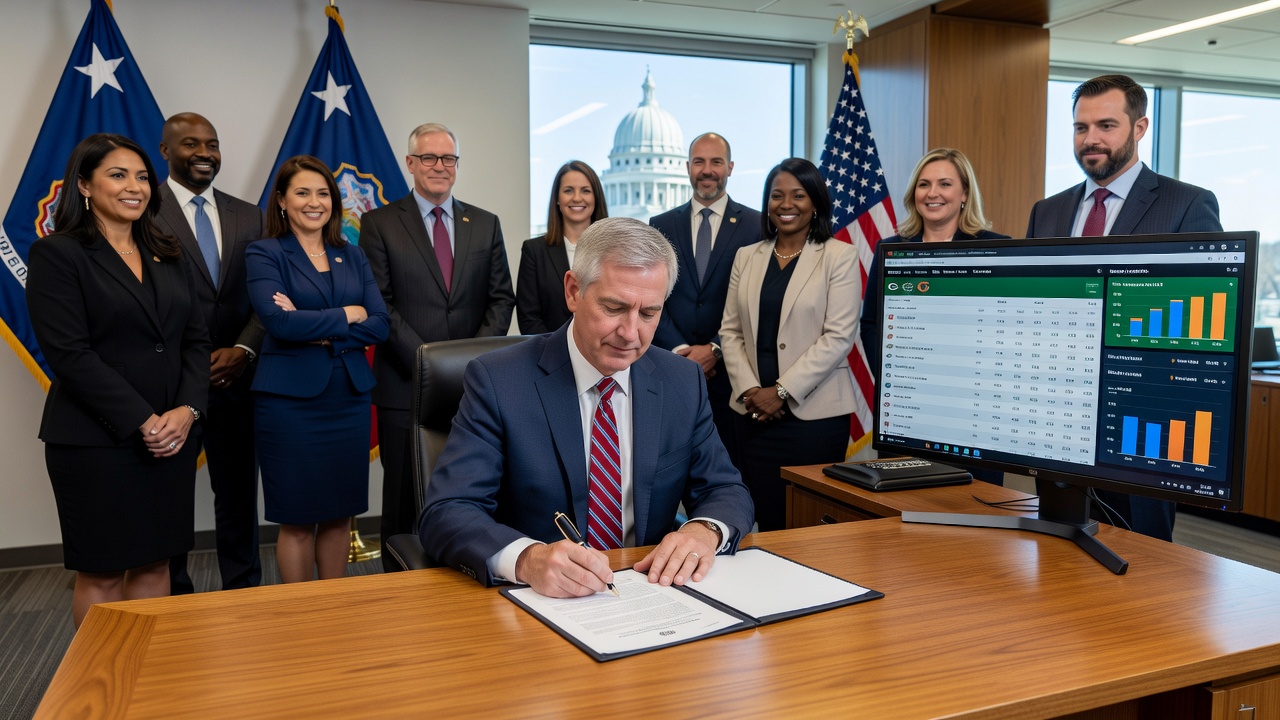
Figures reveal that the 45% overall participation rate marks the lowest point in the series of Gallup measurements referenced in the report, and this stands in contrast to the earlier periods when roughly two-thirds of adults indicated some gambling activity. The Gallup poll on U.S. gambling participation (2026 survey) supplies the raw percentages and category breakdowns that form the basis for these comparisons, giving a clear numerical picture without additional interpretation layered on top.
Historical Comparisons Across Multiple Decades
Looking back to the 2003 and 2007 surveys, participation hovered near two-thirds of the adult population, while the 2016 measurement showed a modest decline to 64% before the further drop to 45% in 2026. Lottery ticket purchases followed the same arc, starting higher in the earlier surveys, easing to 49% by 2016, and then reaching 31% in the most recent data set. Casino attendance mirrored this movement with earlier rates giving way to 26% in 2016 and then 14% by 2026, demonstrating a steady downward progression across the measured intervals.
Those who compiled the longitudinal data emphasize that each category tracked experienced reductions, and the overall participation metric captures the cumulative effect of these individual shifts. The consistent methodology across the surveys supports direct comparisons, allowing the percentages to stand as the central factual record of change over time.
Broader Context of Reported Behaviors
Additional activities beyond lottery and casino play appear in the survey results, yet the documented declines concentrate most sharply in those two areas according to the released figures. The 2,201 respondents provided a sample large enough to generate national estimates, and the telephone format allowed standardized questioning across the participant group. Data indicates that the patterns hold steady when viewed against the backdrop of prior Gallup efforts, reinforcing the observation of reduced involvement across the measured activities.
Researchers present the numbers as a snapshot of self-reported behavior during the specified 12-month period ending in mid-2026, and this framing keeps the focus on the recorded percentages rather than external variables. The survey dates place the findings in a position to inform discussions throughout August 2026 and beyond, as analysts reference the established benchmarks for ongoing tracking.
Conclusion
The Gallup poll results deliver a clear numerical account of reduced gambling participation among U.S. adults, with the 45% overall rate, 31% lottery figure, and 14% casino attendance marking measurable departures from earlier survey points. The methodology, sample size, and fieldwork window provide the factual foundation for these comparisons, and the data set stands ready for further reference in subsequent analyses. Observers note that the documented trends reflect the responses gathered between June and July 2026, offering a precise record of where participation levels stood at that time.