Synchronization Patterns Between Real-Time Athletic Results and Digital Table Game Rewards on Portable Devices
Written by Logan Carter · Jul 26, 2026
Synchronization Patterns Between Real-Time Athletic Results and Digital Table Game Rewards on Portable Devices
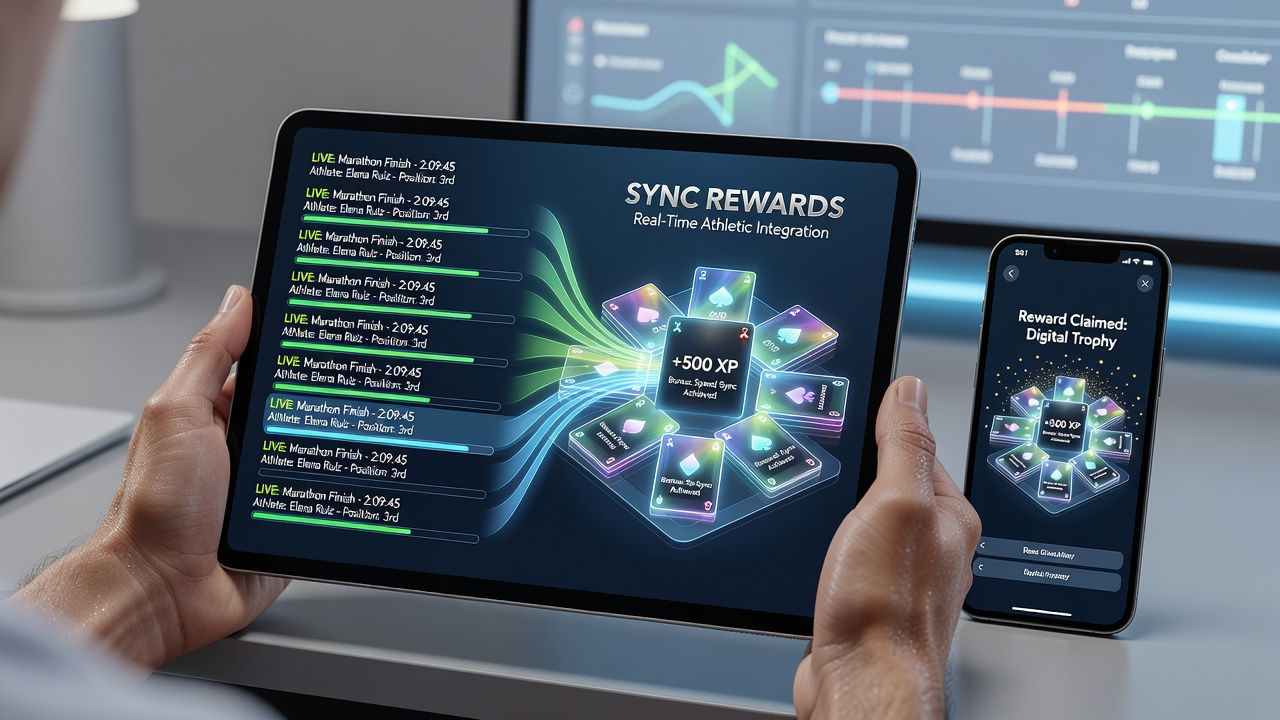
Portable devices now handle live athletic data feeds that trigger reward adjustments inside digital table game environments, creating measurable synchronization patterns across user sessions. Developers integrate APIs from sports data providers directly into casino platforms so that a goal scored in a soccer match or a point scored in basketball can alter bonus multipliers available at virtual blackjack or roulette tables within seconds.
Studies tracking user behavior in 2025 and early 2026 show that reward activations peak within two minutes of major athletic events concluding. Those who've examined session logs note that players who receive an immediate table-game credit after a live sports outcome tend to extend their sessions by an average of 18 minutes compared with sessions that lack such triggers.
Technical Synchronization Mechanisms
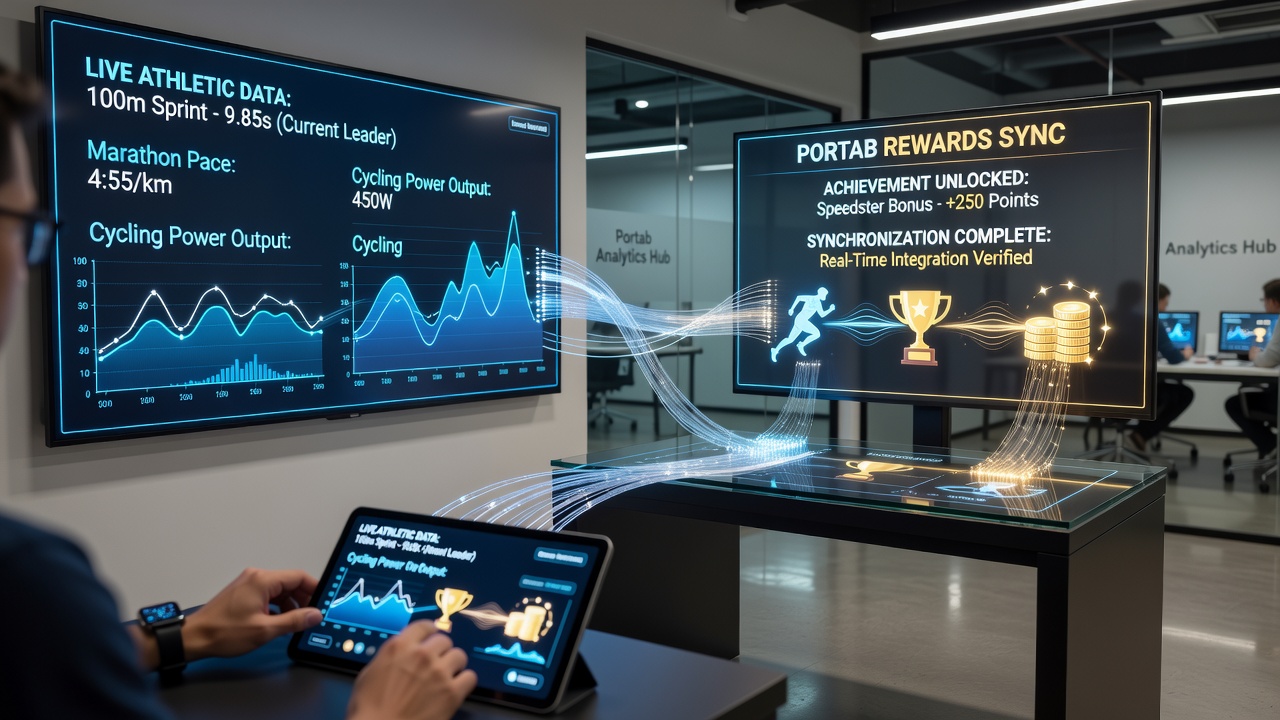
Application servers pull real-time scores through standardized data streams and push corresponding reward flags to the client device using WebSocket connections. This setup allows a single portable device to maintain simultaneous connections to both an athletic event platform and a table game server without noticeable latency for the end user. Engineers at several major operators report that packet loss below 0.3 percent keeps reward delivery accurate across 98 percent of sessions during peak evening hours.
Device battery and network conditions influence how reliably these patterns hold. When signal strength drops, the system queues reward calculations locally and applies them once connectivity resumes, preserving the intended synchronization even if the athletic result arrives after the initial window.
Behavioral Data from Mid-2026
Activity logs collected through July 2026 indicate that regions with established mobile gaming frameworks experience higher synchronization rates than emerging markets. In jurisdictions where operators must report cross-product activity, the proportion of users moving from athletic wagers to table games after receiving a live-triggered reward reached 27 percent during the first two weeks of that month.
One analysis of anonymized transaction records found that reward structures tied to specific athletic milestones, such as a team reaching a certain score differential, produce stronger engagement spikes than generic win-based bonuses. Researchers tracking these patterns across multiple operators observed consistent clustering around evening athletic fixtures that overlap with table game peak times.
Regulatory Context Across Regions
Canadian provincial regulators have begun requesting detailed logs of reward triggers that cross from athletic to table game products. Similar reporting requirements appear in draft guidelines from the Australian Communications and Media Authority, where operators must document how live data influences prize distribution. These measures aim to ensure transparency without restricting the underlying synchronization technology itself.
Academic examinations of player movement between product types have drawn on datasets supplied by the European Gaming and Betting Association. Findings published in 2026 highlight that synchronization features correlate with increased session frequency rather than increased average stake size, a distinction that matters for compliance calculations in several markets.
Future Technical Developments
Hardware improvements scheduled for late 2026 include faster modem chips that reduce the time between an athletic data update and reward application to under 800 milliseconds. Software teams are testing edge-computing nodes that pre-calculate reward tables for anticipated athletic outcomes, further tightening the synchronization loop on portable devices.
Observers tracking adoption rates note that operators who combine these technical upgrades with clear user notifications about data sources maintain higher retention across both athletic and table game segments. The patterns observed so far suggest that continued refinement of these connections will remain a central focus for platform developers through the remainder of the year.
Conclusion
Current evidence demonstrates that real-time athletic results and digital table game rewards on portable devices operate through tightly linked data pathways whose effects appear consistently in user behavior metrics. As regulatory frameworks in multiple regions adapt to these integrated systems, the technical and operational patterns established by mid-2026 provide a baseline for future platform design and oversight.