Wisconsin Moves Toward Mobile Sports Betting Through Tribal Partnerships
Written by Logan Carter · Jul 17, 2026

Wisconsin Moves Toward Mobile Sports Betting Through Tribal Partnerships
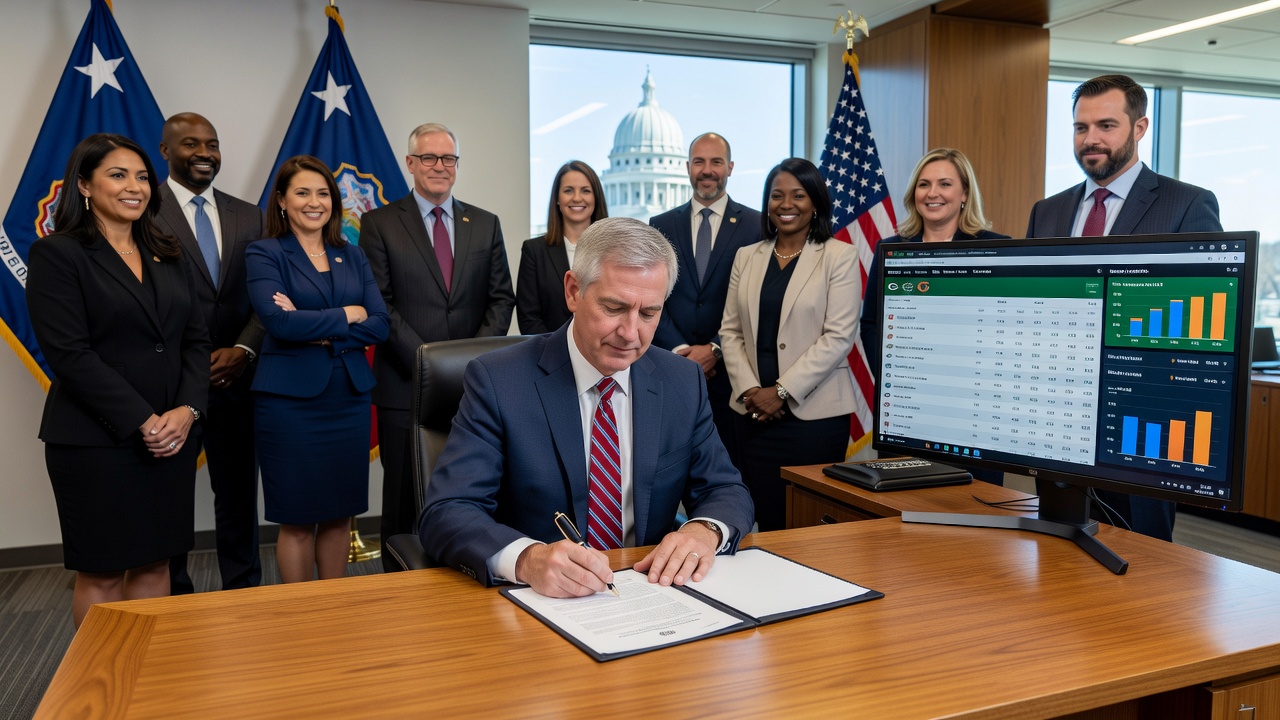
Wisconsin lawmakers passed legislation earlier in 2026 that opens the door to statewide mobile sports betting, and Governor Tony Evers signed the measure into law during April of that year. The framework routes all online activity through the state's 11 federally recognized tribes and their existing gaming operations. In-person betting at tribal casinos has operated for some time already, yet the new law extends access to phones and tablets across the state once the necessary agreements are finalized.
Legislative Steps and Tribal Framework
The bill establishes a structure where tribes manage and brand the mobile platforms rather than allowing national operators to enter directly. Eleven tribes hold federal recognition in Wisconsin, and each maintains gaming compacts with the state that now require updates to cover online sports wagering. Observers note that this approach keeps regulatory authority aligned with tribal sovereignty while expanding options for residents who prefer to place wagers from home or while traveling.
Under the signed legislation, initial mobile offerings will carry tribe-specific branding instead of featuring apps from companies such as DraftKings or FanDuel. This distinction arises because the law channels all online sports betting through the tribal gaming system. Existing casino floors continue to accept in-person bets without interruption during the transition period.
Compact Negotiations and Federal Review
After the April signing, the process shifted to negotiations between individual tribes and the governor's office. Each of the 11 tribes must reach a separate agreement that updates its gaming compact to include mobile sports betting provisions. Those revised compacts then move to the federal level for review and approval, a step that involves the National Indian Gaming Commission and the Department of the Interior.
The sequence of tribal-state talks followed by federal examination typically extends across multiple months. Reports from July 2026 indicate that no launch date has been set because the compact revisions remain incomplete and the federal review has not yet begun for most tribes. Data from the state legislature shows similar processes in prior years took between four and nine months once negotiations started.
Timeline Expectations for 2026
Analysts tracking the timeline state that a launch before December 2026 appears unlikely given the remaining steps. Compact talks must conclude first, after which federal agencies conduct their review. The federal approval stage alone often requires 60 to 120 days according to records from the National Indian Gaming Commission. Once approvals clear, tribes will need additional time to prepare and test their mobile platforms before making them available to the public.
People familiar with the schedule point out that staggered rollouts are possible if some tribes finish their agreements ahead of others. In that scenario, residents in certain regions might gain access earlier while other areas wait for their local tribal operators to complete the process. The law does not set a single statewide activation date, allowing flexibility based on when each compact receives full clearance.
Current In-Person Betting Landscape
Tribal casinos across Wisconsin already provide sports betting at physical locations under existing compacts. These venues operate without change while mobile negotiations continue. The new law preserves those in-person channels and adds the mobile option once the updated agreements take effect. State revenue projections prepared during the legislative session estimated that mobile betting could generate additional tribal and state funds once fully operational, though exact figures depend on final compact terms.
Residents who currently visit casinos for sports wagers will continue to do so, while the mobile expansion targets those who prefer remote access. The tribe-branded platforms will eventually integrate with the same odds and events offered at the casino sportsbooks, creating a unified experience across channels.
Conclusion
Wisconsin's 2026 legislation sets a clear path for mobile sports betting through its tribal partners, yet the requirement for updated compacts and federal review creates a multi-month timeline. As of July 2026 the process remains in the negotiation phase, with launch expected no earlier than late in the year. The structure keeps all online activity inside the tribal system and preserves ongoing in-person betting at the state's casinos. Updates on compact progress will determine when residents first see tribe-branded mobile options appear.